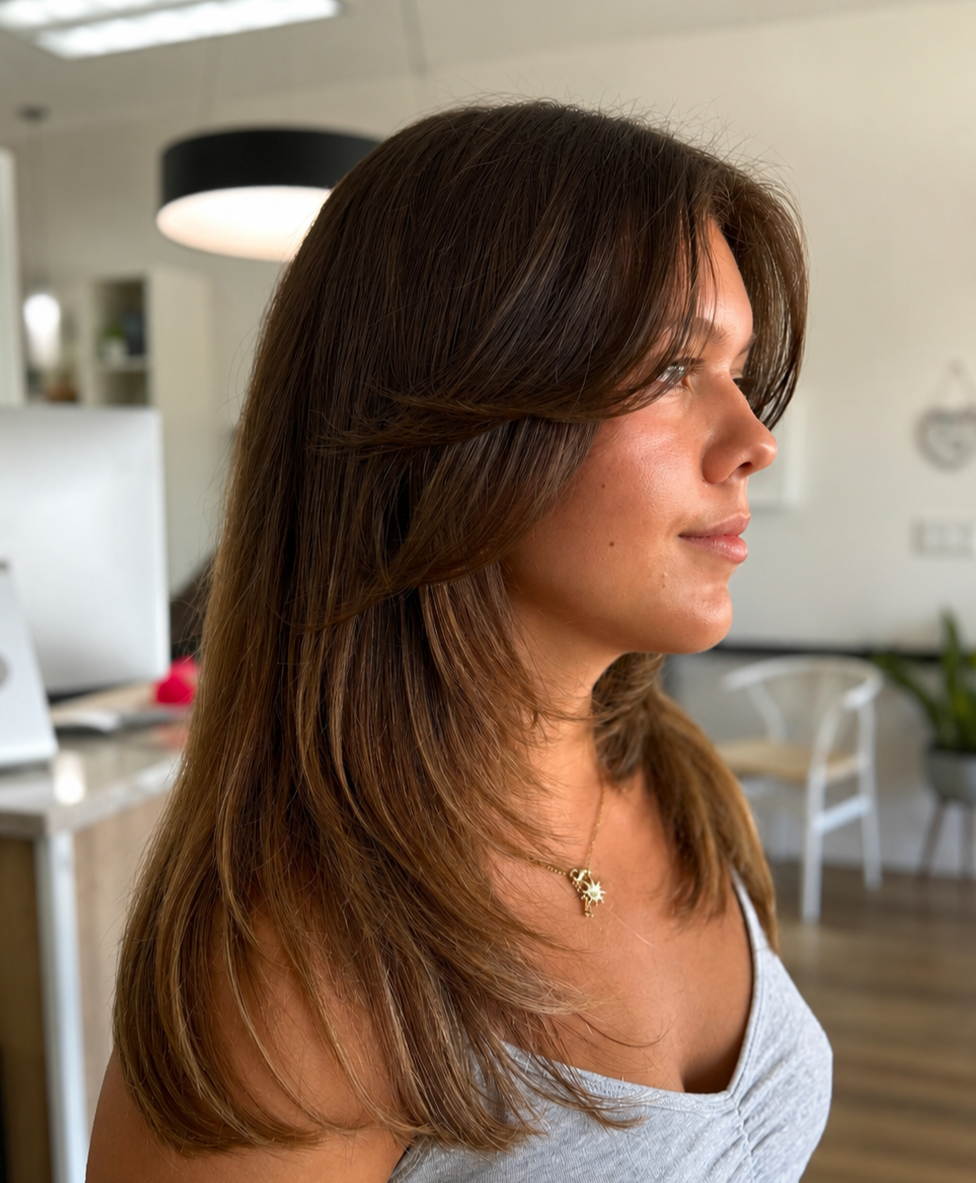
Why Professional Hair Treatments Can Transform Your Damaged Locks
Dealing with damaged hair can be a real headache. It’s often unpredictable and hard to manage, no matter how careful you are at home. Things like breakage, dryness, split ends, frizz, and dullness tend to sneak up on you over time. This can be from heat styling, coloring, chemical treatments, environmental stress, and daily wear. But here’s some good news: professional hair treatments can genuinely help by tackling the root of the problem and bringing back strength, softness, and shine.
If you’re considering cuts and styles or more advanced repair options, the right salon plan can do wonders beyond just hiding the issue. A skilled stylist will look at your hair's condition, figure out what caused the damage, and suggest targeted solutions that fit your texture, routine, and goals. Often, combining treatment with a smart trim or something like custom color services leads to better long-term results because your hair gets the protection it needs while being rejuvenated.
According to the American Academy of Dermatology, hair damage is often tied to repeated chemical processing, friction, and excessive heat, all of which can weaken the hair shaft over time. You can get more info on hair care and breakage basics from the AAD at Healthy Hair Tips from the American Academy of Dermatology. Knowing what your hair needs is the first step toward picking a treatment that really works instead of just coating the surface.
What Damaged Hair Really Needs
Strength, Moisture, and Protection
When your hair's damaged, it needs more than just a store-bought conditioner. It needs a balanced approach that restores moisture, improves elasticity, and helps reduce future stress. Professional treatments have concentrated ingredients that dive deeper and offer a more targeted effect than most at-home products.
Many folks think damaged hair only needs hydration, but that's just part of it. Hair can also get weak, porous, or brittle, meaning it loses protein and internal structure. A pro might suggest a treatment with moisture, strengthening, or bond support, depending on whether your hair feels dry, gummy, coarse, or fragile.
Why One-Size-Fits-All Products Fall Short
Not all damage looks the same, so a generic product routine often misses the real issue. For example, hair that’s dry from sun exposure needs a different solution than hair weakened by bleaching. Using the wrong product might make your hair feel smoother for a bit, but it’ll keep breaking underneath.
This is why salon care matters. Pros can analyze how your hair behaves when wet and dry, how it responds to heat, and how much elasticity it has. Then, they build a treatment strategy that supports your hair instead of overwhelming it with the wrong ingredients.
Common Causes of Hair Damage
Heat Styling and Daily Friction
Flat irons, curling tools, blow dryers, and hot brushes are common culprits behind gradual damage, especially if used without heat protection. High temps can lift moisture from the hair cuticle, leaving strands rough, brittle, and more likely to snap. Even habits like rough towel drying or sleeping on cotton pillowcases can add friction that weakens hair over time.
Professional treatment helps repair this damage and teaches you how to reduce it in the future. A stylist might recommend a protective product, a lower heat setting, or a different styling method altogether. These small adjustments can make a big improvement in your hair’s health over time.
Color Services and Chemical Processing
Hair color, bleach, perms, and smoothing services can create beautiful results, but they also stress the hair structure. Chemical services open the cuticle and alter the internal bonds, making hair more porous and fragile if not managed right. That doesn’t mean you should avoid color; it just means your hair should be supported before, during, and after processing.
Professional salons use treatment plans to help reduce the impact of chemical services and preserve the look and feel of your hair. For example, someone getting a major color change might benefit from a repair treatment before and a strengthening plan afterward. Services like permanent wave treatments can also be paired with restorative care, so the final result is more manageable and healthy-looking.
Environmental Stress and Lifestyle Habits
Sun exposure, saltwater, chlorine, hard water, and dry air can all affect hair quality. In Florida, especially, humidity can worsen frizz while UV exposure can leave hair feeling faded and rough. Add in busy schedules, frequent hair ties, and limited time for proper care, and it’s easy to see why damage piles up.
The Centers for Disease Control and Prevention notes that environmental exposure can impact skin and hair health, especially when protective habits are inconsistent. While the CDC focuses on health and safety broadly, their tips on reducing environmental stress are relevant to hair care: CDC official resources. Professional treatment helps counteract these outside factors by restoring moisture and smoothness more effectively than routine shampooing alone.
How Professional Hair Treatments Work
Deep Penetration and Concentrated Ingredients
Professional hair treatments have stronger concentrations of active ingredients than typical retail products. Depending on the treatment, they might include proteins, amino acids, ceramides, oils, humectants, or bond-building compounds that target the most damaged areas. Because trained pros apply them, the treatment can be matched more precisely to your hair’s condition.
This precision matters because overuse of protein, moisture, or heavy smoothing products can create new problems if the hair doesn’t need them. A salon professional knows how to balance these ingredients so the hair is repaired without becoming stiff, greasy, or weighed down. That balance is what turns a temporary improvement into a real shift in manageability.
Customized Service Instead of Guesswork
One big advantage of professional treatment is the consultation. A stylist can ask about your routine, assess the level of breakage, and look at how your hair behaves from roots to ends. They also factor in recent coloring, heat habits, and the overall condition of your scalp and ends.
This kind of evaluation leads to smarter decisions. For instance, a client with fine, overprocessed hair may need a lightweight treatment that strengthens without adding heaviness, while a client with coarse, curly, chemically treated hair might need a richer repair formula. When the treatment is customized, the results tend to last longer and support your everyday styling better.
Benefits You Can Notice Right Away
Smoother Texture and Better Softness
Many people notice immediate softness after a professional treatment, especially when their hair has been dry and rough for a long time. The cuticle can lie flatter, which improves slip and reduces the snagging that often happens during brushing or styling. That smoother surface also gives hair a shinier appearance because light reflects more evenly.
Softness is more than a cosmetic perk. When hair is less tangled and more flexible, there is less mechanical breakage during normal care. This means the treatment can help protect the hair from further wear while also making your style easier to maintain.
Less Breakage and Better Elasticity
Elasticity is the hair’s ability to stretch and return without snapping. Healthy hair has a certain amount of give, while damaged hair might stretch too much or break immediately. Professional strengthening treatments can improve this balance, especially for hair that has been compromised by bleach or repeated heat styling.
When breakage goes down, length retention often improves as well. That matters for clients trying to grow out a bob, recover after a color correction, or simply keep their ends from thinning. A small improvement in strength can make a big difference over the course of several weeks.
Popular Types of Professional Hair Treatments
Moisture Repair Treatments
Moisture repair treatments are ideal for dry, dull, or frizzy hair. They focus on replenishing hydration and improving the feel of the hair after exposure to heat, sun, or styling. These treatments are often a strong option when the hair feels rough but not severely chemically compromised.
Salon moisture treatments can be especially helpful during seasonal changes or after a vacation with lots of sun and water exposure. They are also useful for people whose hair tends to absorb moisture from the air but still feels dry on the inside. In many cases, these services work best when paired with a gentle trim and a good home care routine.
Protein and Bond-Building Treatments
If hair is weak, mushy, or overly elastic when wet, it may need strengthening rather than just hydration. Protein treatments help reinforce the structure of the hair, while bond-building services aim to support the internal connections that can become disrupted through chemical processing. These options are especially helpful for color-treated or highlighted hair.
Used correctly, protein and bond support can improve resilience and reduce the snapping that often happens after lightening services. Used too often, they may make hair feel stiff or dry, which is why professional guidance matters. A stylist can help determine the right timing and frequency based on how the hair responds.
Smoothing and Frizz-Control Treatments
Frizz is one of the most common complaints among people with damaged hair, especially in humid climates. Smoothing treatments can help seal the cuticle, reduce puffiness, and make the hair easier to style each day. They are not a substitute for repair, but they can make damaged hair look more polished while the restoration process is underway.
These treatments often pair well with men's haircut services or precision cuts for anyone who wants a neater finish and simpler maintenance. When frizz is controlled, styling often takes less time and uses less heat, which supports long-term hair health. That practical benefit is one reason smoothing services remain so popular.
Why Salon Expertise Matters More Than DIY Fixes
Correct Diagnosis Saves Time and Money
Many people try several products at home before realizing the hair problem is more complex than it first seemed. A professional can identify whether the issue is dryness, breakage, overload, chemical damage, or a combination of factors. That diagnosis helps avoid wasted money on products that do not address the root issue.
Salon expertise also reduces the risk of overcorrecting. For example, someone might use too much protein and make hair brittle, or use heavy masks that build up on fine strands. A trained stylist can help you avoid these common mistakes and create a routine that actually works.
Better Timing Around Other Services
The timing of a treatment matters just as much as the treatment itself. If you are planning a color service, the hair may need support before the appointment and after it. If you are getting a haircut, the stylist may suggest removing the most damaged ends first so the restorative treatment can work on healthier hair.
This integrated approach is what makes professional care so effective. It is not just about a single appointment; it is about building a plan that supports your hair through every stage. That could include a treatment, a trim, a color refresh, and a maintenance schedule that fits your lifestyle.
What to Expect During a Professional Hair Treatment
Consultation and Assessment
A good salon treatment starts with a conversation. Your stylist may ask about coloring history, heat styling habits, home products, and any issues you notice, such as shedding or breakage near the crown. The more information you share, the better the recommendation will be.
The stylist may also assess texture, porosity, density, and elasticity by feeling the hair and observing how it behaves. This step ensures the treatment is not chosen randomly. It also helps set realistic expectations, so you understand what will improve immediately and what will take time.
Application and Processing
Once the treatment is selected, it is applied strategically to the hair, usually focusing on the most damaged areas. Some formulas are activated with heat or steam, while others need time to sit before rinsing. The process may feel relaxing, but it is also carefully designed to maximize absorption and effectiveness.
Professional application matters because timing and placement can influence the outcome. Too much product in the wrong area can weigh hair down, while too little can leave the most damaged parts untreated. In a salon setting, the treatment is handled with much more precision.
How to Maintain Results at Home
Use Gentle Products and Lower Heat
After a professional treatment, the home routine should support the progress you have made. Gentle shampoo, a conditioner suited to your hair type, and heat protection are all important. If you continue using harsh products or high heat daily, the benefits of the treatment will fade much faster.
It also helps to space out heat styling and give the hair a chance to air dry when possible. Even reducing heat by a few days each week can make a noticeable difference. Small changes are often easier to keep up with and can protect your investment in salon care.
Stay Consistent with Trims and Follow-Up Visits
Split ends do not repair themselves, so trimming damaged ends is still a smart part of any recovery plan. Regular maintenance appointments keep the damage from traveling farther up the hair shaft. That is especially important for clients who are growing out color or trying to restore length after a period of heavy styling.
If you are exploring additional beauty maintenance, services like professional nail care or eyelash services can also fit into a broader self-care routine that makes it easier to stay consistent with your salon visits. The goal is to create a beauty plan that is sustainable, not overwhelming.
Frequently Asked Questions About Damaged Hair Treatments
How Often Should I Get a Professional Hair Treatment?
It depends on the level of damage and your styling habits. Some clients benefit from a treatment every few weeks, while others only need support seasonally or after chemical services. Your stylist can recommend a schedule based on how quickly your hair loses moisture or strength.
Can Damaged Hair Be Fully Repaired?
Hair isn’t living tissue once it’s grown out, so severely damaged strands can’t be permanently repaired as skin can heal. However, professional treatments can dramatically improve the look, feel, and manageability of the hair while preventing additional damage. In many cases, the combination of treatment, trimming, and home care makes the hair look healthier very quickly.
Is a Salon Treatment Worth It If I Already Use Masks at Home?
Yes, because salon treatments are usually more concentrated, more customized, and more precise. Home masks can help with maintenance, but they often can’t match the strength or targeting of professional care. For heavily damaged hair, the difference is often obvious after just one session.
Choosing the Right Salon Partner for Hair Recovery
Look for Experience, Consultation, and Personalization
The best salon for damaged hair listens carefully and builds a plan around your specific needs. You want a team that understands not just styling, but also repair, maintenance, and prevention. Personalized attention matters because hair damage rarely has a single cause.
At David & Company Salon & Med Spa, the focus is on helping clients choose services that match their goals, routine, and overall hair condition. Whether you need a targeted treatment, a fresh cut, or support with future styling decisions, having an experienced team can make the process feel much easier and more effective.
Connect Hair Care with Broader Self-Care
Hair health often improves when the rest of your beauty routine feels manageable too. Some clients pair hair appointments with professional makeup services for events, or explore med spa services when they want a more complete refresh. That kind of coordinated care can make it easier to stay consistent and feel confident about your appearance overall.
If you are ready to take the next step, consider booking a consultation to talk through your hair concerns and goals. A tailored treatment plan can help you stop guessing, start repairing, and protect the hair you are working hard to grow and maintain.
Conclusion: Why Professional Hair Treatments Truly Matter
Professional hair treatments make a difference because they do more than improve how hair looks for a day. They address moisture loss, weakness, frizz, and breakage with targeted care that is difficult to replicate at home. When combined with expert guidance, the right haircut, and a realistic maintenance plan, these services can help damaged hair become softer, stronger, and much easier to manage.
If your hair has been through heat, color, chemicals, or environmental stress, now is a good time to get support from professionals who understand how to restore balance. Learn more about David & Company Salon & Med Spa on our website or visit us at 10833 Jog Rd, Boynton Beach, FL 33437, USA. Thoughtful treatment today can help protect your hair’s future, and that is an investment worth making.
To better understand salon service standards and consumer care, you can also review the Professional Beauty Association at Professional Beauty Association resources. When you are ready for personalized help, choose a salon team that treats hair recovery as a process, not a quick fix. Your healthiest hair often starts with one well-informed appointment.